 (+91) 9625985065
  info@deepammeditours.com
 Blog
Expert insights for your well-being journey. Your health is our priority.
How to Choose an Authentic Ayurveda Treatment Centre in India

You’ve decided to explore Ayurveda in India, but where do you even begin?
India has hundreds of Ayurveda centres, each promising something different. Some are built around genuine clinical care. Others offer a pleasant, relaxing escape. Both have their place, but they serve very different purposes.
For someone travelling from another country, choosing the right one matters more than most people realise. The outcome of your experience depends on it.
What Are You Actually Looking For?
Most people begin their search before they have defined what they actually need. It’s easy to make this mistake.
If you’re managing a chronic condition or looking for something structured and medically guided, you need a treatment centre. One with qualified physicians and clinical oversight.
If a gentle detox or a wellness reset is what you are after, a retreat-style centre may serve you well.
The first step, before comparing locations or prices, is simply knowing which category applies to you. That single decision shapes everything that follows.
Programme Structure: Where Real Outcomes Are Decided
This is the part most international clients overlook when comparing centres.
A well-structured Ayurveda programme is built as a system. Therapies and daily rhythm all work together. Remove one element, and the whole thing loses its effectiveness.
What a genuine programme typically looks like:
| Element | What to Expect |
| Duration | Meaningful treatment usually runs 14-28 days or more, depending on your condition and goals |
| Daily Structure | Therapies scheduled at specific times, meals aligned with your constitution, adequate rest built in |
| Physician Involvement | Regular consultations, not just an initial assessment |
| Adaptability | Your plan should evolve as your body responds |
A short 3-5 day stay may offer some relaxation. For anything clinical or condition-specific, longer immersion is what actually moves the needle.
Why Residential Programmes Deliver Better Results?
Location aesthetics draw people in. But what actually drives results is the environment you live in during treatment.
Residential programmes work because everything is controlled and consistent. Your meals are prepared according to your prescription. Your therapies happen on time, every day.
Why this consistency matters:
- The body responds better when routine is maintained.
- Travel, irregular meals, screen time, and external disruptions are minimised.
- Physicians can closely monitor your progress and adjust in real time.
Think of it this way. Ayurveda works cumulatively. Each day builds on the last. A residential setting protects that process.
A beautiful property with poor structure will always underdeliver. A well-run residential programme, even a modest one, will give you far more.
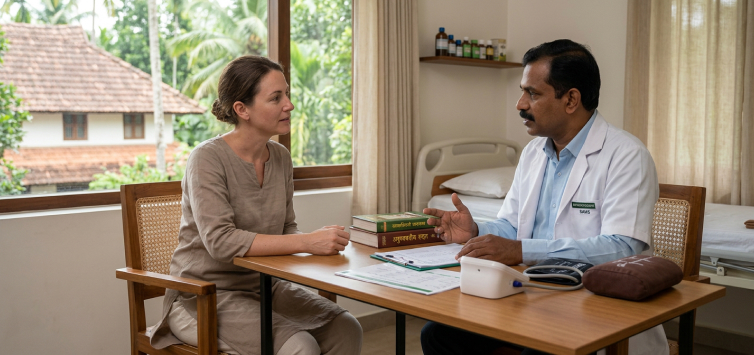
Practitioner Expertise and Ongoing Medical Oversight
The quality of care you receive depends entirely on who is guiding it.
A genuine Ayurveda treatment centre will have qualified physicians, typically with a BAMS (Bachelor of Ayurvedic Medicine and Surgery) degree or higher. These are trained medical professionals.
What to look for in medical oversight:
- An initial consultation that covers your full health history and treatment goals
- Regular follow-up appointments throughout your stay, not just at the start
- Therapy adjustments based on how your body is responding week by week
- Clear communication with doctors who can explain your treatment in your preferred language
For international clients, this last point matters more than it might seem. Being in an unfamiliar environment, undergoing unfamiliar treatments, you deserve clarity at every step.
Environment and Facilities
Glossy photographs sell rooms. They rarely tell you what the actual experience feels like.
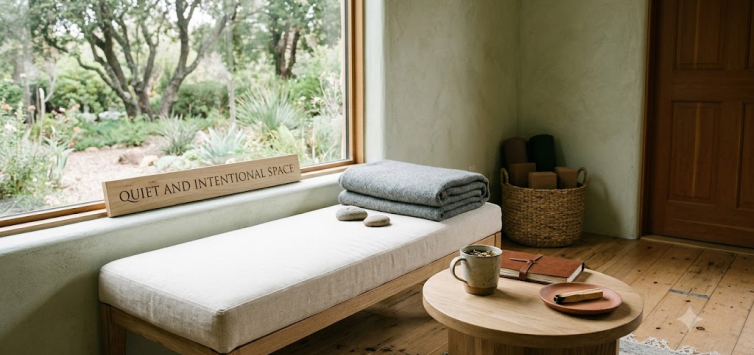
A healing environment is characterised by calmness, structure, and cleanliness. Therapy spaces should be well-maintained and hygienic. The overall atmosphere should feel quiet and intentional, somewhere your nervous system can genuinely settle.
Signs of an environment built for healing:
| What Supports Healing | What To Be Cautious About |
| Calm, low-stimulation surroundings | High footfall, resort-style crowds |
| Clean, dedicated therapy rooms | Multi-purpose spaces with little privacy |
| Structured daily rhythms | Flexible, drop-in style scheduling |
| Attentive, unhurried staff | Large guest volumes with limited attention |
A centre that prioritises volume over individual care will always feel that way during your stay. The right environment holds space for your recovery, quietly and consistently.
Transparency as a Marker of Trustworthy Care
A credible centre has nothing to hide, and it shows in how they communicate.
Before you commit to any programme, the centre should be able to clearly explain what your treatment will involve and what outcomes are realistic for your condition. If that information is vague or difficult to get, that itself tells you something.
What genuine transparency looks like:
- Treatment plans are explained in plain language, like what therapies, why, and in what sequence.
- Duration must be honest. A centre that understands Ayurveda will never promise results in two or three days for something that requires weeks.
- Pricing is clear upfront, and no hidden costs surface mid-stay.
This kind of openness reflects clinical confidence. It means the team knows what they are doing and respects your ability to make informed decisions.
Unrealistic promises are easy to spot once you know what to look for. Any centre that leads with guaranteed cures or dramatic transformations deserves scrutiny before you proceed.
Red Flags International Clients Often Miss
Some of these are easy to overlook, especially when a centre looks impressive online.
Very Short Complete Detox Programmes
Meaningful detoxification takes time. A two or three-day programme marketed as a full cleanse is more of a relaxation experience than a clinical one. Real Panchakarma, for example, involves active treatment and a recovery phase, all of which require adequate time.
One-Size-Fits-All Packages
Ayurveda is inherently personalised. If a centre offers identical packages to everyone, regardless of condition or constitution, the approach is more commercial than clinical.
No Proper Consultation Before Suggesting Treatment
A qualified centre will assess you thoroughly before recommending anything. If treatment options are presented before anyone has spoken with you properly, the process is working backwards.
Massage-Heavy Programmes With Little Clinical Structure
Therapies like Abhyanga have genuine value within a structured plan. A programme built almost entirely around massages, without physician-led oversight, is not medical Ayurveda.
No Follow-up or Continuity
Healing extends beyond your stay. Centres that are serious about outcomes will offer guidance on what comes next, such as dietary advice and some form of continued support.
| Additional Read: How to Choose the Right Ayurvedic Retreat- Avoiding Costly Mistakes |
How Deepam Meditour Helps You Choose Right the First Time?
Evaluating Ayurveda centres from another country is genuinely difficult. Most clients rely on websites, reviews, and guesswork, which is understandable but risky.
Deepam MediTour removes that uncertainty.
Centres within the Deepam network are assessed on medical quality, programme structure, practitioner credentials, and client safety. Clients are matched to centres based on their specific condition and goals.
Beyond the match itself, Deepam handles the full journey. On-ground support and follow-up care—all of it is managed so your focus stays entirely on recovery.
For an international client, this is the difference between navigating an unfamiliar system alone and having someone who knows it well, standing alongside you.
Choose Wisely Between a Trip and Real Healing
The most popular centre is not always the right one. The most scenic location is not always the most effective one.
What actually matters is alignment, between what your body needs and what a centre is genuinely equipped to provide.
For someone travelling internationally, that alignment is worth finding carefully. With the right guidance, an Ayurveda treatment in India can be a genuinely effective healing journey.
The experience you get almost always comes down to one thing: choosing right from the beginning.
Frequently Asked Questions
1. How do I know if an Ayurveda centre in India is genuine?
Look for qualified physicians on staff and clear communication about duration and expectations. Centres that explain their processes openly and set realistic goals are generally more credible.
2. How long should an Ayurveda treatment programme last?
It depends on your condition and goals. Wellness visits can be shorter, but condition-specific or clinical programmes typically run between 14 and 28 days. Anything shorter for a serious concern is unlikely to deliver desirable results.
3. Is it safe to undergo Ayurveda treatment as an international client?
Yes, provided you choose a centre with qualified medical oversight and clear protocols. Centres experienced with international clients will also ensure language is never a barrier to your care.
4. What is the difference between an Ayurveda retreat and a treatment centre?
A retreat focuses on relaxation and general wellness. A treatment centre operates with clinical structure and condition-specific protocols. The two serve very different purposes and should be chosen accordingly.
5. What should I ask a centre before booking?
Ask about physician qualifications, how treatment plans are personalised, and what happens after your stay. Pricing transparency and realistic outcome expectations are also worth clarifying upfront.
6. Can Ayurveda help with chronic conditions?
Ayurveda takes a whole-body approach that many find supportive for long-standing health concerns. A qualified physician will assess your condition and set realistic expectations about what a structured programme may be able to offer you.
Ayurveda Centers
Related Blogs
-
 How to Choose an Authentic Ayurveda Treatment Centre... September 9, 2026
 -
 Where Did Ayurveda Come From and Why Is... August 16, 2026
 -
 A Natural Approach to Managing Constipation with Ayurveda August 6, 2026
 -
 Can Ayurveda Help With Sports Injury Recovery? August 5, 2026
 -
 A Complete Guide to Ayurveda Treatment in India... January 5, 2026
 -
 How Diabetes Slowly Affects Your Vision Before You... December 15, 2025
 -
 How Does Ayurveda Support Bone Health as We... November 20, 2025
 -
 Can Diet Play a Role in Cancer Prevention?... October 20, 2025