 (+91) 9625985065
  info@deepammeditours.com
 Blog
Expert insights for your well-being journey. Your health is our priority.
How Ayurveda Supports Your Healing Journey

Over 300 million surgeries take place every year. Yet for many patients, the real challenge begins after the operation, with lingering inflammation and slow-healing tissues.
Modern medicine repairs with precision, but recovery is not just a mechanical process. The body needs to regain its inner equilibrium. Its doshas must settle, its agni must rekindle, its rhythms must realign.
This is where Ayurveda steps in. By understanding your unique constitution and supporting it with restorative herbs, a tailored diet, and mindful breathwork, Ayurveda accelerates healing in ways medication alone cannot.
This is not about replacing the surgeon’s skill. It’s about completing the healing arc, turning post-surgical survival into true recovery.
What Are the Doshas and Why Do They Matter for Recovery?
Ayurveda explains health and healing through three biological energies, or doshas: Vata, Pitta, and Kapha. These doshas influence how your body responds to stress, injury, and the recovery process. After surgery, they can fall out of balance, slowing healing or creating discomfort. Understanding your dominant dosha helps guide dietary, herbal, and lifestyle choices that support faster recovery and fewer complications.
| Dosha | Role | Post-Surgery Imbalance | Ayurvedic Recovery Focus |
| Vata | Linked to movement and nerve function | Anxiety, constipation, and delayed wound healing | Warm foods, oil massages, and grounding herbs |
| Pitta | Governs metabolism and inflammation | Heat, irritability, excessive swelling | Cooling diet, neem/turmeric, meditation |
| Kapha | Responsible for stability and tissue building | Lethargy, fluid retention, slow tissue repair | Light diet, detox herbs, circulation therapy |
By assessing your dosha with an Ayurvedic practitioner, recovery can be personalized rather than generalized, supporting your body’s natural ability to heal.
Prepping for Surgery: Building a Strong Foundation
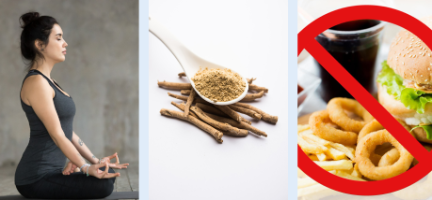
Before surgery, the body benefits from preparation as much as the mind. Ayurveda calls this stage Shamana. It focuses on restoring balance through targeted diet, lifestyle, and gentle therapies so recovery begins on solid ground.
A Pre-Surgery Checklist:
- Immune-supporting herbs: Ashwagandha and Guduchi are traditionally used to enhance strength and defense against infection.
- Guided breathing: Simple pranayama techniques help manage anxiety and steady the nervous system.
- Lifestyle moderation: Avoid stimulants, processed foods, and erratic schedules that disrupt healing rhythms.
Ayurvedic Techniques for Enhanced Recovery
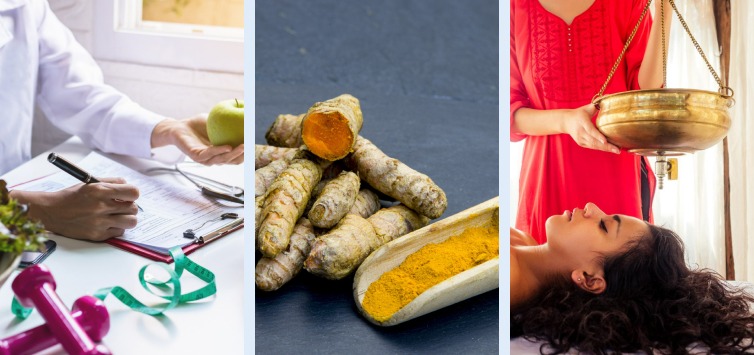
Here’s how Ayurveda can support you on your post-surgical healing journey:
Dietary Therapy
A customised, easily digestible diet based on your dosha is paramount. Vata individuals might benefit from warm, nourishing foods like oatmeal or vegetable soups, while Pitta types might find cooling vegetables like cucumber and zucchini helpful. Light and warming foods such as ginger tea and steamed vegetables are effective for Kapha types.
Herbal Support
Specific herbs like Ashwagandha for general healing and Curcumin (the active component of turmeric) for inflammation aid your body’s natural healing processes.
External Therapies
Gentle Ayurvedic massages (Abhyanga) can improve circulation and reduce pain. Other potential therapies like Shirodhara (oil pouring on the forehead) might be considered for stress relief, but consult a practitioner for suitability.
How Can Yoga and Pranayama Accelerate Healing After Surgery?

Gentle yoga postures, approved by your healthcare professional, can improve mobility and flexibility after surgery. Specific breathing exercises (Pranayama) can manage stress and promote relaxation, aiding Ayurveda healing.
Managing Pain With Ayurveda
Along with dietary and physical practices, Ayurveda incorporates herbal remedies and acupressure techniques for pain management. Marma Therapy, which focuses on stimulating specific vital points in the body, can offer targeted pain relief. However, it is recommended to always consult a qualified Marma therapist.
Relaxation Techniques for Stress Management
Chronic stress can hinder healing. Ayurvedic practices like meditation and mindfulness help manage post-surgical stress and anxiety to promote a more peaceful recovery.
Creating a Supportive Environment
Adequate rest and a positive mindset are crucial for optimal recovery. Spending time in nature and fostering emotional well-being can significantly contribute to healing.
Better Sleep After Surgery: Ayurvedic Remedies
Restful sleep is one of the most powerful tools for post-surgical healing. Ayurveda views sleep as a form of natural nourishment for the mind and tissues, helping to repair damage and restore strength.
Recommendations for deeper rest:
- Support with herbs: Brahmi calms an overactive mind, while Jatamansi eases tension and promotes sustained, restorative sleep.
- Use therapeutic oils: A gentle head massage with warm sesame oil relaxes the nervous system. Adding a drop of lavender oil can further ease restlessness and help the body transition to sleep.
- Adopt evening practices: A brief meditation session or guided yoga nidra prepares both body and mind to let go of stress.
- Maintain consistency: Going to bed at the same time each night helps regulate natural circadian rhythms, which in turn supports immune recovery and tissue repair.
Ayurveda Alongside Conventional Medicine: A Collaborative Approach
Modern medicine is indispensable for surgical precision and life-saving interventions. Yet, its focus is often on the procedure, not the long arc of recovery. This is where Ayurveda fills the gap. By addressing digestion, sleep, stress, and tissue repair, it supports the body in ways medication alone cannot.
The most effective approach is collaborative. Combining these two systems gives you both the precision of modern science and the depth of traditional healing, creating a more complete path to well-being. Contact us at info@deepammeditours.com to plan your post-surgical healing journey.
FAQs
1. Which Ayurvedic herbs reduce post-surgery inflammation?
Curcumin (from turmeric), Guduchi (Tinospora cordifolia), and Neem (Azadirachta indica) are traditionally used for their anti-inflammatory and immunomodulatory effects. They also support tissue repair without overburdening the system.
2. How long does Ayurvedic recovery take?
Duration varies by individual constitution (prakriti), surgical complexity, and adherence to prescribed diet and lifestyle. Typically, Ayurvedic protocols span 4–8 weeks to stabilize doshas and restore optimal healing rhythms.
3. Can Ayurveda be safely combined with post-surgical medicine?
Yes, when supervised by both your surgeon and an Ayurvedic physician. Herbs, diet, and therapies must be tailored to avoid drug–herb interactions while enhancing recovery outcomes.
4. Which therapies should be delayed until wounds heal?
Deep tissue massage, panchakarma detoxes, and intensive heat therapies (like fomentation or swedana) should be postponed until incisions close and primary tissue healing is complete to prevent infection or delayed repair.
Ayurveda Centers
Related Blogs
-
 How to Choose an Authentic Ayurveda Treatment Centre... September 9, 2026
 -
 Where Did Ayurveda Come From and Why Is... August 16, 2026
 -
 A Natural Approach to Managing Constipation with Ayurveda August 6, 2026
 -
 Can Ayurveda Help With Sports Injury Recovery? August 5, 2026
 -
 A Complete Guide to Ayurveda Treatment in India... January 5, 2026
 -
 How Diabetes Slowly Affects Your Vision Before You... December 15, 2025
 -
 How Does Ayurveda Support Bone Health as We... November 20, 2025
 -
 Can Diet Play a Role in Cancer Prevention?... October 20, 2025