 (+91) 9625985065
  info@deepammeditours.com
 Blog
Expert insights for your well-being journey. Your health is our priority.
How Diabetes Slowly Affects Your Vision Before You Notice
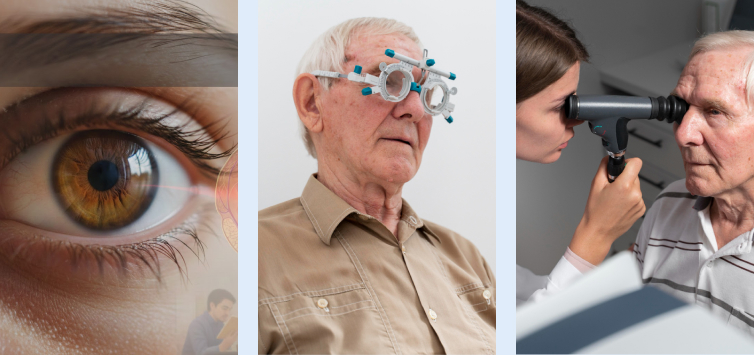
Vision problems rarely arrive with an announcement. Many people feel completely fine, unaware that diabetes may already be affecting their eyes. Diabetic retinopathy develops silently, often long before any changes in vision are noticeable. In fact, it remains one of the leading causes of new blindness cases in adults aged 20 to 74.[i]
Over time, high blood sugar can damage the tiny blood vessels at the back of the eye. These vessels help keep vision clear. But when they weaken, they stop supporting the eye properly. This damage happens without pain or warning signs. As a result, many people remain unaware that their vision is at risk.
What Does Elevated Glucose Actually Do to the Eye?
When blood sugar remains high over time, eye tissues start to function differently. Excess glucose binds to structural proteins making them rigid. Small vessels gradually weaken, and oxidative stress builds up.
These weakened vessels cannot carry blood as efficiently. However, the retina and optic nerve depend on precise circulation for survival. When the blood supply becomes uneven, eye tissues wear down, leading to vision problems.
What Are the Major Diabetic Eye Diseases?
Diabetic Retinopathy begins with small vessel weakness. In the early stage, tiny bulges and leaks appear, but vision remains normal. As damage progresses, the eye tries to compensate by growing fragile new vessels. These bleed easily and can lead to retinal scarring.
Diabetic Macular Edema occurs when leaking fluid collects in the macula, the area responsible for detailed vision. The centre of the sight becomes swollen. Patients often describe this as waviness while reading.
Cataracts develop earlier in people with diabetes, with studies showing a 2 to 5 times[ii] higher risk. High blood sugar alters the eye’s natural lens, leading to faster clouding and increased glare sensitivity.
Glaucoma risk is roughly doubled in people with diabetes. Circulation problems raise eye pressure and damage the optic nerve. It often begins with a subtle loss of side vision and can progress quickly.
Why Diabetic Patients Need Regular Eye Screening
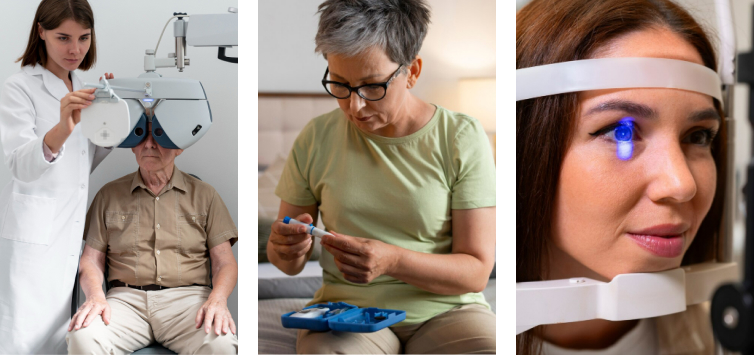
Regular eye screenings help catch early damage when treatment is most effective. During a routine visit, doctors can spot subtle changes in blood vessels and retinal tissues. These observations come from different imaging methods, such as:
- High-resolution scans show early swelling or thinning in the retina
- Retinal images document small vessel changes over time
- Advanced imaging highlights areas with reduced blood supply
These insights allow doctors to act early and lower the risk of serious vision loss.
What Speeds Up Vision Decline in People With Diabetes?
Vision loss in diabetes is not inevitable, but certain conditions increase the pace of damage. Key risk accelerators include:
- Long Disease Duration and Fluctuating Glucose Levels: Years of unstable sugar levels place repeated stress on retinal vessels.
- High Blood Pressure and Abnormal Cholesterol: Reduce oxygen supply and weaken already fragile circulation.
- Smoking: Narrows blood vessels and delays tissue repair worsening existing damage.
- Pregnancy in Type 1 or Type 2 Diabetes: Hormonal and metabolic changes can rapidly intensify eye complications.
Strategies to Halt or Slow Irreversible Damage
Protecting vision requires steady control rather than a single treatment. Effective plans usually combine medical care and timely procedures:
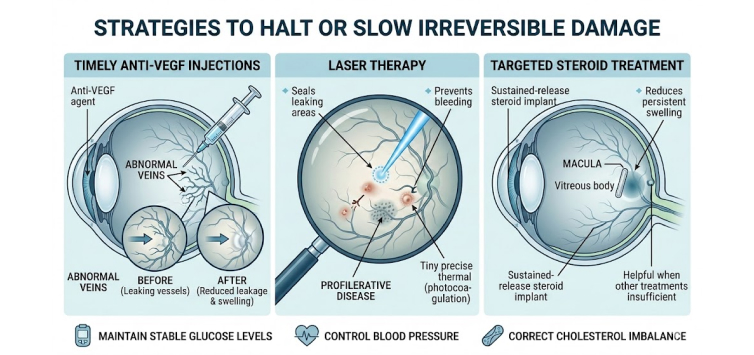
- Maintain Stable Glucose Levels: Consistent control significantly lowers the chance of retinopathy worsening.
- Control Blood Pressure: Well-managed pressure reduces leakage from retinal vessels.
- Correct Cholesterol Imbalance: Healthier lipid levels improve circulation within small eye vessels.
- Timely Anti-VEGF Injections: Helps stabilise vision when abnormal vessels or swelling appear.
- Laser Therapy: Seals leaking areas and prevents bleeding in progressing disease.
- Targeted Steroid Treatment: Helpful in persistent swelling when other treatments are insufficient.
| Many patients report difficulty seeing in low light, even before daytime vision changes. Learn what this may indicate in our article on Night Blindness Causes and Ayurvedic Supportive Care. |
Protecting Vision Requires Managing Metabolism First
Diabetic eye disease rarely develops in isolation. The eye reflects how well the body regulates sugar and blood pressure. Stable metabolic control reduces stress on retinal tissue, while periodic imaging detects changes before sight is affected.
The most reliable protection comes from coordination between diabetes care and ophthalmic monitoring. Managing the condition and observing the retina systemically creates a compounding benefit. Vision preservation becomes an expected outcome rather than a late rescue effort.
Frequently Asked Questions
1. If my vision feels normal, do I still need a diabetic eye check?
Yes. Retinal damage can exist for years without affecting clarity. Eye screening aims to detect silent changes so treatment can begin before sight is threatened.
2. How often should a person with diabetes schedule retinal screening?
Most adults need a comprehensive exam once every year. Your doctor may shorten the interval if early damage, pregnancy, or long-standing diabetes is present.
3. Can improving blood sugar now still help if early damage already exists?
Stabilising glucose slows further vessel injury and improves how well treatments work. Even late improvements reduce future complications.
4. Are eye injections painful or risky?
They are usually quick procedures done under numbing drops. Discomfort is brief, and serious complications are uncommon when performed in a sterile clinical setting.
5. Will I lose vision after laser treatment?
Laser therapy aims to preserve existing vision. While minor changes in night or side vision may occur, it significantly reduces the risk of central vision loss.
6. Is diabetic eye disease reversible?
Structural damage cannot always be reversed, but progression can be stopped. Early stages may even show functional improvement after treatment.
7. Do contact lenses or glasses prevent diabetic eye problems?
Contact lenses correct focusing errors only. They do not address blood vessel damage, which requires medical monitoring and metabolic control.
8. Are younger people with diabetes at lower risk?
Risk depends more on duration and control than age. Someone diagnosed young may develop eye disease earlier if screening is neglected.
9. Can I plan a short travel for diabetic eye treatment, or are multiple visits required?
Many evaluations and initial therapies can be organised within a short stay. Follow-ups are then coordinated with reports from your local physician.
10. What symptoms should prompt urgent evaluation between routine exams?
Sudden floaters, flashes of light, rapid blurring, or distorted lines need urgent evaluation. They may signal bleeding or swelling inside the retina.
References
Treatments
Related Blogs
-
 How to Choose an Authentic Ayurveda Treatment Centre... September 9, 2026
 -
 Where Did Ayurveda Come From and Why Is... August 16, 2026
 -
 A Natural Approach to Managing Constipation with Ayurveda August 6, 2026
 -
 Can Ayurveda Help With Sports Injury Recovery? August 5, 2026
 -
 A Complete Guide to Ayurveda Treatment in India... January 5, 2026
 -
 How Diabetes Slowly Affects Your Vision Before You... December 15, 2025
 -
 How Does Ayurveda Support Bone Health as We... November 20, 2025
 -
 Can Diet Play a Role in Cancer Prevention?... October 20, 2025