 (+91) 9625985065
  info@deepammeditours.com
 Blog
Expert insights for your well-being journey. Your health is our priority.
Can Diet Play a Role in Cancer Prevention? Evidence & Advice
Have you ever wondered if the food you eat each day could influence something as serious as cancer risk? It’s a question that touches almost every household, because diet is a part of daily life.
The World Health Organization estimates that up to 40% of cancers are linked to lifestyle factors such as poor nutrition, obesity, smoking, and alcohol.
Ayurveda echoes this, noting that weak agni and buildup of ama can compromise tissue health. Science and tradition together suggest that mindful eating may offer real protection.
Below, we translate the evidence into concise cancer prevention tips for diet that patients can adopt alongside standard care.
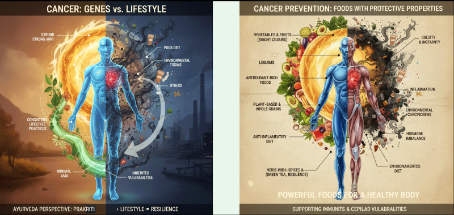
Is Cancer More About Genes or Lifestyle?
Some people believe cancer is written entirely in their genes, but research shows that only a small fraction of cancers are caused by inherited mutations. The majority are influenced by modifiable factors such as diet and environmental exposures.
In Ayurveda, genetics may be seen as part of prakriti, the constitution we are born with, while lifestyle choices shape how that constitution expresses over time. When agni is strong and ama is minimal, the body’s tissues remain more resilient. As a result, consistent lifestyle practices can act as a protective factor against inherited vulnerabilities.
Where Diet Fits Into the Bigger Picture
There’s a persistent myth that diet has little effect on cancer risk. Evidence shows the opposite. Large-scale studies consistently link healthy eating patterns with lower overall cancer risk and mortality.
Cancer risk is shaped by multiple lifestyle and dietary factors:
- Obesity & physical inactivity: Excess weight and sedentary habits increase inflammation and hormone imbalance, both of which promote tumour development. High-fibre foods such as whole grains, legumes, and vegetables help manage weight and support metabolic health.
- Environmental carcinogens: While diet cannot eliminate toxic exposures, antioxidant-rich foods help counter oxidative damage.
- Anti-inflammatory dietary patterns: Diets higher in plant-based foods and healthy fats support immune regulation, which is a key driver in several cancers.
Spotlight on Foods with Protective Properties
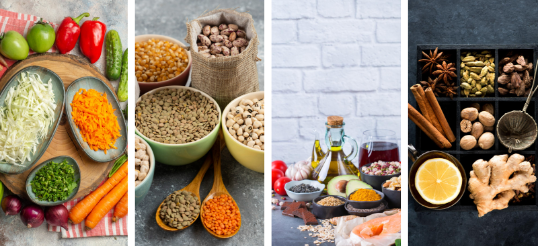
For the right nutrition for cancer prevention, the following foods are most effective:
| Food group | What the evidence shows |
| Vegetables & fruits (bright colours) | Epidemiology links higher intake to lower overall and site-specific cancer risk |
| Legumes | Associated with lower colorectal risk and improved gut health |
| Whole grains | Dose-response meta-analyses show a 7% lower cancer mortality per 30 g/day |
| Omega-3 sources (fish, olive oil, flax) | Supports immune surveillance and reduces pro-tumour inflammation |
| Herbs & spices (green tea catechins, turmeric) | Block cell damage, trigger cancer cell death, and limit tumour growth |
Everyday Eating Habits That Reduce Risk

Cancer-conscious eating is more about steady, mindful patterns. A few practical shifts make a meaningful difference:
- Fill Half Your Plate With Plants: Prioritise colourful vegetables, fruits, and leafy greens that nourish dhatus and provide protective fibre and antioxidants.
- Choose Whole Over Refined: Brown rice, quinoa, and oats support healthy digestion and lower cancer risk, unlike refined carbs that spike ama (toxins).
- Mind Portions: Even healthy food in excess can burden agni (digestive fire). Small, balanced meals keep metabolism steady.
- Limit Processed and Fried Foods: Junk foods high in sugars and trans fats promote inflammation and weight gain.
- Balance Taste and Seasonality: Ayurveda reminds us that seasonal, freshly cooked meals in the right proportions enhance assimilation and resilience.
The Lifestyle Equation
Preventing cancer through diet involves daily habits that make the difference. Key lifestyle factors include:
- Regular Physical Activity: Regular physical activity can have a measurable impact on cancer risk. Studies show that 50–60 minutes of exercise per week can lower risk by up to 25%. Even 15–20 minutes weekly reduces mortality by 16–40%.
- Sleep and Stress Management: Adequate sleep nourishes vitality and regulates immune and hormonal balance. Stress reduction practices like yoga and mindful breathing mitigate inflammation and oxidative stress.
Eating for Resilience, Not Immunity
Eating with intention is about building resilience, not chasing guarantees. Food becomes a tool to support overall health and enhance vitality. For personalised guidance on cancer-preventing diets, Deepam Meditour is here to help.
FAQs
1. What is the best diet plan for cancer patients?
A balanced diet plan for cancer patients should focus on whole foods, plenty of vegetables, fruits, whole grains, legumes, and lean proteins. Avoiding processed foods can improve overall recovery during or after treatment.
2. Can an alkaline diet prevent cancer?
There is no strong scientific evidence that an alkaline diet can prevent cancer. However, eating more plant-based foods like fruits, vegetables, and legumes does improve overall health and lowers cancer risk factors.
3. What is the role of diet in cancer prevention?
Diet plays a critical role in cancer prevention by influencing hormone levels and body weight. Nutrient-rich foods such as cruciferous vegetables and berries contain bioactive compounds that may protect cells and reduce cancer risk over time.
4. Can stress or poor sleep increase cancer risk even if my diet is healthy?
Yes. Chronic stress and inadequate sleep weaken immunity and increase inflammation. Ayurveda explains this as low vital energy. Pairing a healthy diet with good sleep improves resilience and supports long-term wellness.
Ayurveda Centers
Related Blogs
-
 How to Choose an Authentic Ayurveda Treatment Centre... September 9, 2026
 -
 Where Did Ayurveda Come From and Why Is... August 16, 2026
 -
 A Natural Approach to Managing Constipation with Ayurveda August 6, 2026
 -
 Can Ayurveda Help With Sports Injury Recovery? August 5, 2026
 -
 A Complete Guide to Ayurveda Treatment in India... January 5, 2026
 -
 How Diabetes Slowly Affects Your Vision Before You... December 15, 2025
 -
 How Does Ayurveda Support Bone Health as We... November 20, 2025
 -
 Can Diet Play a Role in Cancer Prevention?... October 20, 2025