 (+91) 9625985065
  info@deepammeditours.com
 Blog
Expert insights for your well-being journey. Your health is our priority.
Exercises and Therapies To Manage Back Pain Without Pills
Back pain is one of the most common health problems worldwide, affecting up to 84% of adults. It can start as a dull ache after long hours at a desk or strike sharply after an awkward movement, but either way, it limits how you live and move.
Reaching for painkillers may bring short relief, yet it rarely addresses why the pain started or how to stop it from coming back.
This blog post focuses on safer, proven ways to care for your spine using movement, therapy tools, and Ayurvedic approaches. The goal is lasting relief, better mobility, and confidence that you can manage back pain without drugs.
Understanding What’s Going on in Your Spine
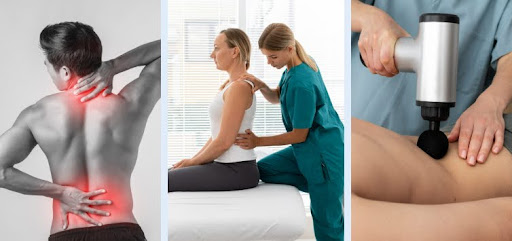
Back pain is not a single condition. It can come from muscles, joints, or nerves, and knowing the difference is critical before choosing any therapy. Treating the wrong source often delays recovery.
How to tell what type of pain you have?
- Muscle pain feels like soreness, stiffness, or a dull ache. It often worsens after physical activity or poor posture and improves with rest, massage, or gentle stretching.
- Joint pain in the spine feels deeper and may be sharper when bending, twisting, or standing for long periods. It usually points to issues in the facet joints or sacroiliac joint.
- Nerve compression creates burning or radiating pain. Tingling, numbness, or weakness in the legs often suggests irritation of the sciatic nerve or lumbar disc herniation.
Why does finding the root cause matter?
- Correct diagnosis guides whether you need strengthening, decompression, or anti-inflammatory therapy.
- It prevents overuse of tools like foam rollers or inversion tables that may aggravate nerve pain.
- Ayurvedic treatments and natural remedies for back pain, like medicated oil massage (abhyanga) or panchakarma therapies, work best when aligned with the specific tissue involved.
Massage Tools for Back Pain That Treat
Therapy tools can help relieve strain and support healing, but only when matched to the right problem.
- Posture correctors can train spinal alignment while strengthening back and core muscles if worn for short periods. Relying on them all day can weaken support muscles.
- Therapy balls and foam rollers reduce muscle tightness and improve blood flow, but they are not suitable for severe joint or nerve pain.
- Inversion tables may ease pressure on lumbar discs when used briefly, yet they are not recommended for uncontrolled high blood pressure or glaucoma.
- TENS units (Transcutaneous Electrical Nerve Stimulation) help calm irritated nerves by interrupting pain signals, especially useful for sciatica flare-ups.
Movement as Medicine: Exercises That Heal
Pain often makes you want to rest, but gentle, controlled movement helps your spine recover faster than prolonged inactivity. Choosing the right type of exercise matters more than doing a random routine.
Yoga Flows To Restore Flexibility
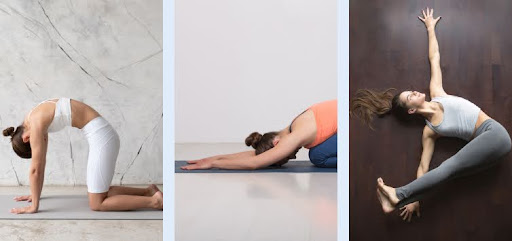
Slow, breath-guided movements such as Cat-Cow, Child’s Pose, and gentle Supine Twists improve spinal mobility and ease tension without straining the back.
Sequences like these also enhance circulation around stiff tissues and reduce pressure on lumbar discs. Practised consistently, they create space between vertebrae, allowing natural decompression.
Strength That Protects the Lower Back
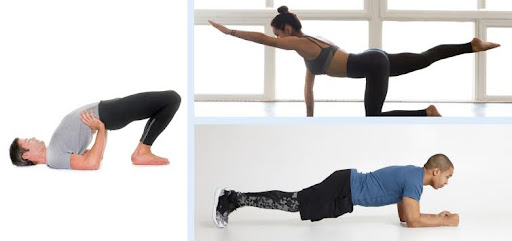
A weak core and glutes place extra stress on spinal joints and ligaments. Targeted strengthening with exercises like bridges, bird-dogs, and modified planks builds support where your spine needs it most.
Over time, this balanced muscle support reduces the risk of recurrent pain episodes.
Micro-Movements for Sensitive Backs
For those unable to tolerate full workouts, stretching exercises for back pain relief, such as pelvic tilts, knee-to-chest slides, or seated weight shifts, maintain blood flow and keep muscles active.
Even two to three minutes of controlled motion several times a day can prevent stiffness and aid recovery.
Ayurvedic Wisdom for Modern Backs
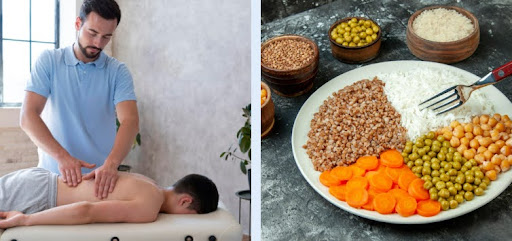
Ayurveda views back pain as an imbalance in doshas, most often Vata, which governs movement and nerve function. Fixing this imbalance helps the body naturally ease pain and swelling.
Medicated Oils and Herbal Compresses
External therapies such as abhyanga (therapeutic massage) with Mahanarayan taila or Dhanwantharam taila help nourish muscles and lubricate joints. Warm poultices (kizhi) prepared with anti-inflammatory herbs like Nirgundi or Eranda improve circulation. These treatments penetrate deeply when combined with gentle heat, relieving chronic stiffness without side effects.
Diet and Lifestyle Alignment
- Vata-soothing foods such as warm soups, ghee, sesame oil, and cooked grains keep tissues supple.
- Avoiding cold, dry, or processed foods helps prevent further aggravation.
- Daily routines like warm oil application before bathing, regular sleep patterns, and gentle yoga maintain spinal health.
Physical Therapy Principles You Can Practice at Home
The right kind of movement can retrain your spine’s support system. These simple drills, done with consistency, protect your back without overloading it.
Controlled Motion Drills
- Abdominal bracing with diaphragmatic breathing in hooklying. Five calm breaths per set. Keep ribs over pelvis.
- Hip hinge to a wall. Touch the wall with the hips while the lumbar spine stays neutral.
- Seated sciatic nerve glides only when the tingling is minimal. Gentle knee and ankle movement. Stop if symptoms spread farther down the limb.
Ergonomics at Work and Home
- Adjust chair height so hips sit slightly above the knees, with feet flat on the floor. Add a small lumbar roll at the belt line to maintain the natural curve of your lower back.
- Position your monitor so the top edge is at eye level. Keep your keyboard and mouse close, allowing elbows to stay at a comfortable ninety-degree angle.
- Take movement breaks every thirty to forty-five minutes. Stand, walk, or stretch for two minutes to prevent stiffness from prolonged sitting or standing.
- When lifting, keep the load close to your body. Bend from the hips rather than the waist, and turn your whole body with your feet instead of twisting the spine.
Conclusion
Caring for your back doesn’t have to mean living on pills or enduring endless discomfort. When you combine targeted movement, therapy tools, and natural approaches like Ayurvedic care, your spine can recover its strength and flexibility.
Start small, stay consistent, and choose treatments that address the real cause of your pain rather than masking it.
For deeper healing and expert guidance, explore the Ayurvedic programs at Deepam Meditours. From detoxification to personalised therapies, these programs blend ancient wisdom with modern precision to help you rebuild from within. Discover more here.
Frequently Asked Questions (FAQs)
1. Which yoga exercises are best for relieving back pain?
Gentle poses like Cat-Cow, Child’s Pose, and Sphinx Pose help improve spinal flexibility and reduce muscle tension. Practising them under guidance ensures proper alignment and prevents strain.
2. How does physical therapy help with lower back pain?
Physical therapy strengthens core and gluteal muscles, improves posture, and restores mobility. Targeted exercises and manual techniques reduce pain and prevent future flare-ups.
3. Can yoga replace physical therapy for back pain?
Yoga improves flexibility and supports spinal health, but it doesn’t replace physical therapy for chronic or injury-related pain. Both can complement each other when supervised by qualified professionals.
4. How soon can I see results from physical therapy for lower back pain?
Many people notice reduced discomfort within 2 to 4 weeks of consistent therapy. Long-term improvement depends on adherence to prescribed exercises and correcting lifestyle triggers.
Ayurveda Centers
Related Blogs
-
 How to Choose an Authentic Ayurveda Treatment Centre... September 9, 2026
 -
 Where Did Ayurveda Come From and Why Is... August 16, 2026
 -
 A Natural Approach to Managing Constipation with Ayurveda August 6, 2026
 -
 Can Ayurveda Help With Sports Injury Recovery? August 5, 2026
 -
 A Complete Guide to Ayurveda Treatment in India... January 5, 2026
 -
 How Diabetes Slowly Affects Your Vision Before You... December 15, 2025
 -
 How Does Ayurveda Support Bone Health as We... November 20, 2025
 -
 Can Diet Play a Role in Cancer Prevention?... October 20, 2025