 (+91) 9625985065
  info@deepammeditours.com
 Blog
Expert insights for your well-being journey. Your health is our priority.
Night Blindness: Causes and Ayurvedic Supportive Care
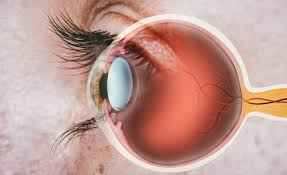
As daylight fades, most people expect their eyes to adjust naturally. For some, street signs blur, headlights glare, and simple evening routines feel unsafe. This difficulty seeing in low light, known as night blindness, affects people far beyond those with serious eye disease.
Studies show that 20% to 50% of older drivers in the U.S. avoid driving at night because of vision problems.
Night blindness is a sign that something deeper may be affecting eye health. Understanding its early signs, root causes, and treatment options can help protect eyesight and restore confidence after dark.
What Is Night Blindness? Busting the Misconceptions
Night blindness, or nyctalopia, does not mean total blindness after sunset. It refers to difficulty seeing in low light or adjusting vision when moving from bright to dim environments. Most people with night blindness can still see, but details fade, and adaptation is slower.
How it affects daily life:
- Driving at dusk or night becomes stressful as headlights cause glare and road signs are harder to read.
- Walking on poorly lit streets feels unsafe because obstacles are difficult to spot.
- Recognizing faces after dark is challenging, making social interactions uncomfortable.
Night blindness itself is not a disease but a symptom of an underlying issue with how the retina processes light. It can result from nutritional deficiencies, age-related changes, or inherited eye disorders. Identifying it early is critical, as many causes can be treated or controlled.
The Subtle Signs of How Night Blindness Creeps In
Night blindness often develops quietly, showing up as small vision changes that people mistake for fatigue or overuse of the eyes. Tasks that once felt effortless start requiring extra effort.
A key difference lies in how quickly vision changes.
- Gradual onset: When night vision declines slowly, the brain adapts, and people often compensate without realizing it. Avoiding night driving, keeping lights brighter at home, or moving closer to objects are the adaptations that delay recognition of a real problem.
- Sudden onset: If difficulty seeing in low light appears abruptly, it can signal serious issues. These may include retinal damage, acute vitamin A deficiency, or other underlying eye diseases that require prompt medical attention.
Ignoring these early signs can allow potentially reversible conditions to worsen. Since night blindness is often a symptom rather than a standalone disorder, noticing patterns is important. Early evaluation by an eye specialist can determine whether the cause is nutritional, degenerative, or genetic.
Night Blindness Causes: Root Issues and Trigger Factors
Not all cases of night blindness are alike. Some start with a simple nutrient gap, while others trace back to inherited retinal disorders or daily habits. Understanding these differences is key to knowing whether the condition can be reversed or only managed.
Nutritional Causes
Deficiencies in specific nutrients can interfere with visual functions and show other symptoms.
| Deficiency | Signs and Symptoms of Night Blindness | Other Signs |
| Vitamin A | Reduced ability to see in dim light | Dry eyes, corneal damage |
| Zinc | Impaired retinal function | Poor wound healing, taste changes |
| Protein malnutrition | Inadequate nutrient transport to the eye | General fatigue, muscle wasting |
Retinal and Genetic Disorders
Conditions such as retinitis pigmentosa (gradual loss of peripheral and night vision), congenital stationary night blindness, or advanced glaucoma damage photoreceptor cells. These require prompt ophthalmologic evaluation, as they cannot be corrected by diet alone.
Lifestyle Triggers
Prolonged screen use, poor dietary habits, and chronic exposure to polluted environments accelerate oxidative stress in the retina. These factors worsen existing eye problems and speed up vision decline.
Restoring Vision From the Inside Out With Ayurveda
Ayurveda views vision as governed by Alochaka Pitta, a subtype of Pitta dosha responsible for ocular perception. When this becomes imbalanced, the eyes lose their ability to adapt to changing light.
1. Diet and Internal Nourishment
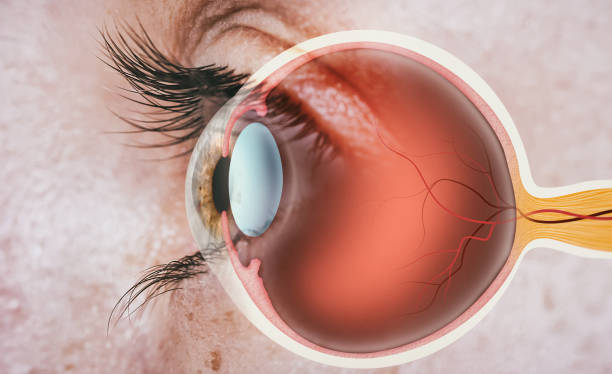
Ayurveda emphasizes foods that strengthen eye tissues (netra dhatu) from within. A diet rich in ghee, fresh vegetables, yellow and orange fruits, and leafy greens provides natural precursors of Vitamin A.
Herbal formulations like Triphala Churna (a blend of Amalaki, Haritaki, and Bibhitaki) and Amla powder (Indian gooseberry) supply antioxidants that protect retinal cells from oxidative stress.
2. Topical Ayurvedic Support
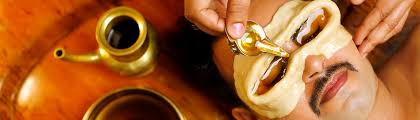
External therapies like Netra Tarpana, where medicated ghee (e.g., Mahatriphala Ghrita) is gently pooled over the eyes. It lubricates, cools, and nourishes ocular tissues directly. This therapy strengthens the cornea and lens and improves tear quality. It also aids in reducing light sensitivity.
3. Eye Exercises


Techniques such as palming, eye rotations, and Trataka kriya relax the ciliary muscles. These help in enhancing blood flow and reducing strain from prolonged screen exposure. These practices maintain lens flexibility and support overall retinal function.
4. Rasayana (Rejuvenation) Therapies
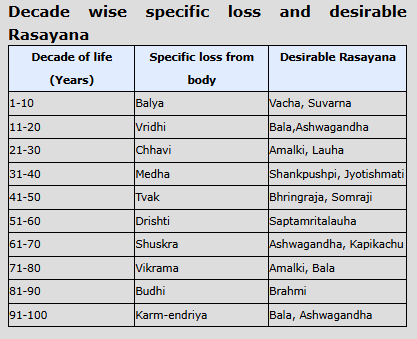
Rasayana therapies, designed to restore vitality, strengthen vision over time. These therapies combine herbal tonics, detoxification, and lifestyle alignment to slow the degeneration of ocular tissues and maintain clarity of vision.
5. Lifestyle Corrections

Sarvangasana – Source


Shavasana – Source
_1707286035.png)
Ayurveda recommends early bedtime, minimal night screen use, and dinacharya (daily routines) to preserve ocular strength. Incorporating Sarvangasana, Shavasana, and breathing practices like Anulom Vilom improves systemic circulation. Also, it delivers essential nutrients to the eyes and stabilizes visual performance in low light.
Can Ayurveda Offer a True Night Blindness Cure?
Ayurveda aims to correct root imbalances rather than just relieve symptoms. Its impact depends on the underlying cause of night blindness:
When Reversal Is Possible
- Nutritional or functional deficiencies – If night blindness stems from a lack of Vitamin A, poor dietary assimilation, or early depletion of Alochaka Pitta, Ayurvedic therapies can restore function. Targeted herbal formulations, nutrient-dense diets, and netra rasayana (eye-rejuvenating therapies) can gradually normalize dark adaptation.
- Early-stage ocular fatigue – Cases linked to prolonged screen strain or mild dryness often improve significantly with lifestyle corrections, medicated ghee, and eye exercises.
When Ayurveda Focuses on Management
- Retinal degenerative disorders and genetic conditions – These may not be reversible. Here, Ayurveda works to slow progression, maintain residual vision, and support overall ocular health.
- Age-related changes – While complete reversal is unlikely, strengthening therapies help preserve night vision and prevent rapid decline.
Restoring Vision Holistically
Night blindness calls for timely attention, not just temporary fixes. Addressing the root cause early, whether reversible or manageable, helps protect vision for the long term. Ayurveda complements modern care by focusing on balance, nourishment, and sustained eye health rather than quick symptom relief.
Frequently Asked Questions (FAQs)
- Can Ayurveda improve eye vision?
Yes. Ayurveda strengthens vision by balancing Alochaka Pitta. Therapies like Netra Tarpana (medicated ghee eye bath), Trataka (gaze stabilization), and Rasayana (rejuvenative) herbs nourish retinal tissues and improve dark adaptation.
- Can Ayurveda regenerate the optic nerve?
While complete regeneration of the optic nerve is limited in modern medicine, Ayurveda focuses on Majja Dhatu Poshana (nourishment of nerve tissue) and Vata balancing. Rasayana dravyas (rejuvenating herbs) like Ashwagandha and Brahmi support neural health and may help preserve optic nerve function.
- Which Ayurvedic medicine is best for nerve damage?
Ayurveda uses combinations of Rasayana herbs to repair and protect nerve tissue:
- Ashwagandha – strengthens nerves, reduces oxidative damage.
- Brahmi – enhances neural function and memory pathways.
- Shatavari – balances Pitta and supports tissue regeneration.
- Guduchi – detoxifies and promotes immune support.
- Turmeric – reduces inflammation and protects microcirculation.
- Nirgundi – pacifies Vata and alleviates nerve pain.
Together, these herbs nourish Majja Dhatu and maintain healthy nerve signaling.
- Does Triphala help eyesight?
Yes. Triphala, a blend of Amalaki, Haritaki, and Bibhitaki, is a classical chakshushya (eye-strengthening) formulation. Its antioxidant and detoxifying properties protect retinal cells and improve tear quality when taken internally or used as an eyewash under guidance.
- How to use ghee for eyesight?
Ayurveda recommends cow’s ghee as netra poshak (eye-nourishing). It is taken internally with warm milk or applied externally in therapies like Netra Tarpana. Medicated ghees such as Mahatriphala Ghrita cool and lubricate the eyes, enhance vision, and reduce strain.
Ayurveda Centers
Related Blogs
-
 How to Choose an Authentic Ayurveda Treatment Centre... September 9, 2026
 -
 Where Did Ayurveda Come From and Why Is... August 16, 2026
 -
 A Natural Approach to Managing Constipation with Ayurveda August 6, 2026
 -
 Can Ayurveda Help With Sports Injury Recovery? August 5, 2026
 -
 A Complete Guide to Ayurveda Treatment in India... January 5, 2026
 -
 How Diabetes Slowly Affects Your Vision Before You... December 15, 2025
 -
 How Does Ayurveda Support Bone Health as We... November 20, 2025
 -
 Can Diet Play a Role in Cancer Prevention?... October 20, 2025