 (+91) 9625985065
  info@deepammeditours.com
 Blog
Expert insights for your well-being journey. Your health is our priority.
Best Eye Care Practices to Keep Your Vision Strong at Any Age
Have you ever watched your child rub their eyes after hours of screen time?
Or found yourself holding your phone a little farther away to read a message?
We don’t often pause to think about our eyes. We assume they’ll keep working—until they don’t. But the truth is, like the rest of our body, our eyes need attention, rest, and nourishment.
So instead of waiting for a warning sign, what if we gave our eyes the care they deserve, right from the start?
Today, in this blog post, let’s walk through the best ways to care for your vision at every stage of life.

Childhood (0–12 years): Building Strong Vision Early
The early years shape everything from learning new things to how children experience the world around them. However, vision issues in children often go unnoticed until they begin to interfere with school or daily life.
Common Concerns:
- Myopia (nearsightedness) is rising sharply in kids, largely due to prolonged indoor time and excessive screen exposure.
- Amblyopia (lazy eye) and strabismus (crossed eyes) can disrupt depth perception and development if not caught early.
What Helps:
- Encourage at least 2 hours of outdoor play daily—sunlight exposure helps slow myopia progression.
- Schedule a comprehensive eye exam by age 3, and regular checks after.
- Limit screen time with built-in breaks—like the 20-20-20 rule (every 20 minutes, look at something 20 feet away for 20 seconds).
Teenage Years (13–19 years): Tackling Digital Strain & Lifestyle Habits
Teenagers today live on screens—studying, socializing, and even relaxing through phones and laptops. But with that comes digital eye strain and sleep issues, often brushed off as “normal.”
Key Risks:
- Eye fatigue, dry eyes, and blurred vision due to long digital hours.
- Overuse or misuse of contact lenses, especially without hygiene discipline.
- Screen exposure affects melatonin release, leading to poor sleep and long-term visual stress.

Recommended Eye Care:
- Ortho-K lenses (worn overnight) can help manage progressive myopia without daytime glasses or lenses.
- Introduce blinking exercises and encourage eye breaks between screen-heavy tasks.
- Support diet with omega-3s and antioxidants like vitamin A, lutein, and zeaxanthin to build retinal resilience.
Young Adulthood (20–39 years): Protecting Vision in Work-Heavy Years
This stage often means long workdays under artificial lighting, extended screen time, and forgotten eye checkups. Vision problems like dry eyes or eye fatigue often become a part of daily life.
What to Watch For:
- Digital eye strain from screens and poor lighting.
- UV damage from unprotected outdoor exposure.
- Early signs of chronic dry eye due to reduced blinking or poor air quality in workplaces.
Protective Steps:
- Use advanced blue light filters—not just for screens, but also for indoor lighting.
- Consider genetic testing for inherited eye conditions like glaucoma or macular degeneration if there’s a family history.
- Look into neuroadaptation techniques like eye relaxation routines and ambient lighting adjustments to reduce stress on the eyes.
Middle Age (40–59 years): Staying Ahead of Age-Related Decline
This is when people start noticing changes, like needing reading glasses or seeing halos around lights. It’s also when systemic health issues start reflecting in the eyes.
Key Risks:
- Presbyopia (difficulty focusing on close objects).
- Vision complications linked to diabetes, hypertension, and high cholesterol.
- Gradual loss of contrast sensitivity and color sharpness.
Supportive Strategies:
- AI-powered retinal scans can detect early signs of diabetic retinopathy and glaucoma before symptoms appear.
- Multifocal contact lenses offer clarity across distances without the hassle of switching eyewear.
- Add macular carotenoids—like lutein and zeaxanthin—through food or supplements to support central vision.
Senior Years (60+ years): Prioritizing Comfort, Clarity, and Independence
In older adults, preserving vision is about more than just sharp sight—it’s deeply tied to independence, safety, and quality of life.
Top Concerns:
- Cataracts, glaucoma, and age-related macular degeneration (AMD).
- Slower adaptation to light and reduced night vision, increasing fall risks.
- Loss of peripheral vision or contrast sensitivity.
What Can Help:
- Anti-VEGF treatments can slow AMD progression and preserve functional vision.
- AI-powered vision aids and smart glasses enhance contrast and clarity in real time.
- Natural antioxidants like astaxanthin show promise in reducing retinal oxidative stress and improving blood flow to the eyes.
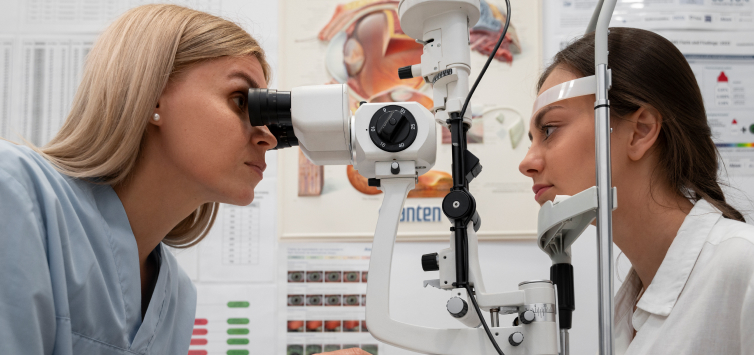
Universal Eye Care Practices for All Ages
No matter your age, a few fundamentals can go a long way:
- Eat with your eyes in mind: Prioritize foods rich in lutein, zeaxanthin, omega-3 fatty acids, and vitamin C.
- Block blue and UV light: Use protective eyewear indoors and outdoors.
- Don’t skip checkups: Many eye diseases show no early symptoms. Regular screenings are essential.
Emerging tools like smart contact lenses, AI-based eye monitoring, and even retina-scanning wearables are opening new ways to protect vision before problems start.
Conclusion
Vision isn’t just a medical concern—it’s personal. It’s being able to drive safely at night, read your grandchild a story, or wake up and see the world clearly.
Across all ages, eye care should never be an afterthought. It’s a conscious effort—a combination of science, nutrition, awareness, and regular attention. And the earlier you start, the better your chances of maintaining sharp, comfortable vision for life.
| Don’t Take Sight For Granted—Give Your Eyes The Care They Need Explore Our Eye Care Treatment Services |
FAQs
Q1. What are some early signs of vision problems that often go unnoticed?
A: Many people overlook signs like frequent blinking, headaches, squinting, light sensitivity, or holding reading material too close. These subtle issues can indicate underlying vision problems like myopia, eye strain, or dry eyes. Regular eye checkups help catch and correct these concerns before they worsen.
Q2. How does poor sleep quality affect eye health over time?
A: Sleep is when your eyes rest and repair. Without enough of it, the eyes may feel dry, irritated, or even twitchy. Over time, poor sleep can reduce tear production, strain your optic nerve, and increase the risk of conditions like glaucoma or eye fatigue-related headaches.
Q3. Are there any wearable devices that help monitor eye health in real time?
A: Yes, wearable technology is advancing rapidly. Smart contact lenses and AI-powered glasses are being developed to monitor intraocular pressure, detect early signs of glaucoma, and analyze eye movement patterns. These innovations can alert users to potential issues even before symptoms become noticeable.
Q4. How does air pollution affect eye health, and what can be done?
A: Air pollution exposes your eyes to harmful particles that can lead to chronic dryness, redness, itching, and even inflammation of the cornea. Wearing UV-protected sunglasses, using lubricating eye drops, and limiting exposure during high-pollution hours can reduce long-term damage and discomfort.
Q5. Can medications affect vision over time?
A: Yes, some medications like corticosteroids, antihistamines, and antidepressants may cause blurred vision, dry eyes, or even raise intraocular pressure. Long-term use without supervision can pose risks. Always inform your eye doctor about any medications you’re taking during your eye exams for accurate diagnosis and care.
Q6. What’s new in gene therapy for eye diseases?
A: Gene therapy is transforming treatment for inherited retinal conditions like Leber’s congenital amaurosis and retinitis pigmentosa. FDA-approved treatments like Luxturna work by delivering healthy genes directly to affected cells, potentially restoring some vision. This approach holds great promise for treating rare genetic eye diseases in the future.
Q7. Does stress impact vision?
A: Yes, chronic stress can lead to blurred vision, eye twitching, light sensitivity, and even visual disturbances like tunnel vision. Stress also triggers inflammation and reduces tear production. Techniques like deep breathing, regular breaks, and digital detoxes can help manage stress and protect your eye health.
Treatments
Related Blogs
-
 How to Choose an Authentic Ayurveda Treatment Centre... September 9, 2026
 -
 Where Did Ayurveda Come From and Why Is... August 16, 2026
 -
 A Natural Approach to Managing Constipation with Ayurveda August 6, 2026
 -
 Can Ayurveda Help With Sports Injury Recovery? August 5, 2026
 -
 A Complete Guide to Ayurveda Treatment in India... January 5, 2026
 -
 How Diabetes Slowly Affects Your Vision Before You... December 15, 2025
 -
 How Does Ayurveda Support Bone Health as We... November 20, 2025
 -
 Can Diet Play a Role in Cancer Prevention?... October 20, 2025